


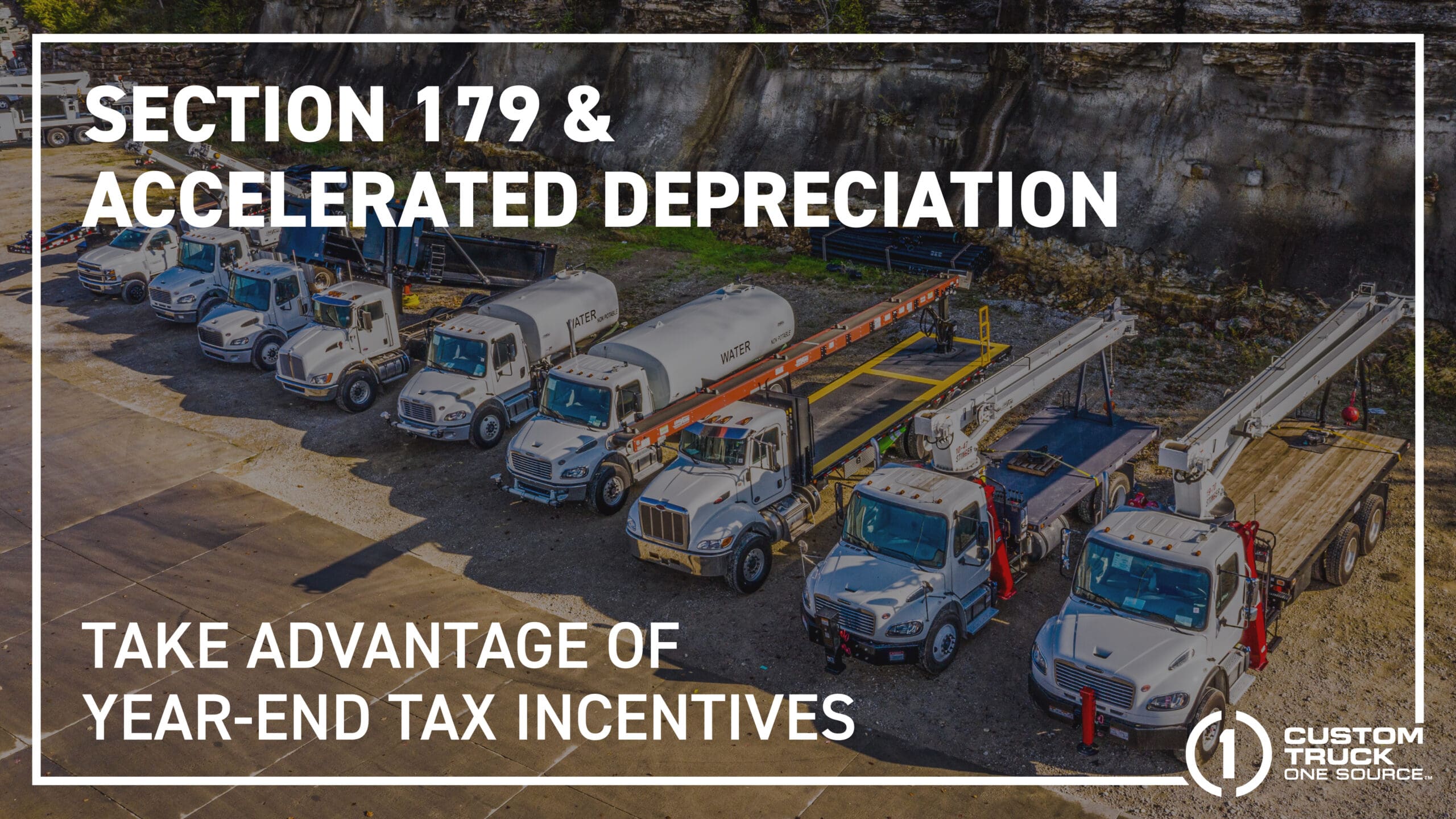
Section 179 for 2024: Maximize Your Equipment Deductions

The U.S. tax law has equipped entrepreneurs with a powerful tool: the Section 179 Deduction. This facet of the tax code is not just a regulation—it’s an incentive designed to stimulate business investment in themselves.
Section 179 allows businesses to deduct the full purchase price of qualifying assets, which include new and used equipment, software, and certain improvements to nonresidential real property.
Introduction to Section 179
Section 179 is a provision in the tax code that allows businesses to deduct the full purchase price of qualifying equipment and software in the first year they are placed in service. This tax deduction is a valuable tool for small businesses and entrepreneurs, enabling them to reduce their tax burden and increase their cash flow. The Internal Revenue Service (IRS) outlines the rules and regulations for Section 179 in the Internal Revenue Code (IRC). By taking advantage of Section 179, businesses can realize significant tax savings and improve their overall financial health.
The Essentials of Section 179
The Section 179 Deduction enables businesses to deduct the entire purchase price of qualifying equipment or software from their gross income. Additionally, certain improvements to nonresidential real property, known as qualified real property, may also qualify for the Section 179 deduction. This means if your business buys or finances new or used equipment, you can lower your tax liability, creating a ripple effect of benefits, including immediate cash flow improvement and the potential to reinvest in your operations. Section 179 also applies to depreciable property, which includes assets used in business operations that can be depreciated over time. The depreciable basis of an asset is the amount that can be depreciated over its useful life, and understanding this is crucial for maximizing tax benefits. To claim the Section 179 deduction, businesses must complete and attach Form 4562 to their tax return.
Types of Eligible Assets
A wide range of assets are eligible for the Section 179 deduction, including new and used equipment, business vehicles, office furniture, and computer software. Qualifying equipment and software must be used for business purposes, such as manufacturing, transportation, or office operations. The IRS provides guidance on the types of eligible assets, including tangible property, such as machinery and equipment, and intangible property, such as software and licenses. Additionally, certain improvements to nonresidential real property, such as air conditioning and heating systems, may also qualify for the Section 179 deduction.
Yes, Pre-Owned Equipment Qualifies Too!
A common question is whether used equipment is eligible for Section 179. The resounding answer is yes. This aspect of the deduction bolsters the market for pre-owned business equipment, making it easier for small and mid-sized businesses to expand their operations without the financial strain of purchasing brand-new assets.
Pre-owned equipment qualifies as depreciable assets, allowing businesses to benefit from the Section 179 deduction. This includes not only machinery but also other assets like vehicles, office equipment, and software.
Deduction Limits
For tax year 2024, remember the thresholds: a maximum deduction of $1,220,000 and a total equipment purchase limit of $3,050,000. Once equipment purchases exceed the latter, the deduction reduces dollar-for-dollar—so timing and strategic planning are essential.
It’s important to ensure that your business has sufficient income to fully utilize the Section 179 deduction, as any excess can be carried forward to future years. The business income limitation also plays a crucial role in determining the amount of deduction you can claim in a given tax year.
The Calculation Made Simple
How does it all add up? Subtract the total purchase price of the qualifying equipment from your gross income—staying within the limits mentioned above. To maximize your deduction, ensure that the qualifying equipment is placed in service within the same tax year. It’s also important to correctly categorize property subject to different depreciation methods to optimize your tax benefits. Click here to view the Section 179 Calculator.
Business Use Requirement
To qualify for the Section 179 deduction, assets must be used for business purposes at least 50% of the time. This means that businesses can deduct the full purchase price of qualifying equipment and software, even if it is used for personal purposes, as long as the business use requirement is met. The IRS requires businesses to keep records of the business use of assets, including logs and receipts, to support the deduction. By meeting the business use requirement, businesses can take advantage of the Section 179 deduction and reduce their taxable income.
Section 179 vs. Bonus Depreciation: A Comparative Look
While Section 179 caps the amount you can deduct, Bonus Depreciation is an overflow mechanism, allowing for 60% depreciation of the remaining cost for the tax year 2024, without a preset spending cap. It’s a one-two punch of tax savings for businesses making significant investments in their future.
As bonus depreciation continues to phase out, understanding the differences between these deductions becomes increasingly important. Both Section 179 and bonus depreciation offer significant depreciation deductions, but they operate under different rules and limitations. It’s also important to consider depreciation recapture, which can affect your tax liability when disposing of depreciated property. Understanding the bonus depreciation rules can help you make informed decisions about asset purchases and tax planning.
Get Started
The Section 179 Deduction stands out as a potent ally for businesses, effectively lowering the financial hurdle of investing in equipment and technology. It’s an opportunity to upgrade, innovate, and grow. With savvy planning and strategic investment, leveraging Section 179 can lead your business toward a more prosperous and efficient future. Leveraging Section 179 can provide significant tax benefits, helping your business save money and reinvest in growth. As bonus depreciation phases out in future years, planning for Section 179 deductions becomes even more crucial. The Tax Cuts and Jobs Act has made significant changes to Section 179, enhancing its benefits for businesses. The Tax Cuts and Jobs Act has expanded the scope of Section 179, making it a more powerful tool for businesses. As always, contact a tax expert for your business needs.
Contact us for more information about buying equipment for your business.
Have Questions / Need Answers?
Check out the Section 179 FAQs.
For more detailed information, refer to our comprehensive guide on Section 179 deductions. Understanding IRS Section 179 can help you maximize your tax savings and make informed financial decisions.

Ready to keep your fleet moving?
Talk to a Custom Truck One Source specialist about equipment, parts, and service options built around your fleet.
Request a QuoteOr call (844) 822-5581