


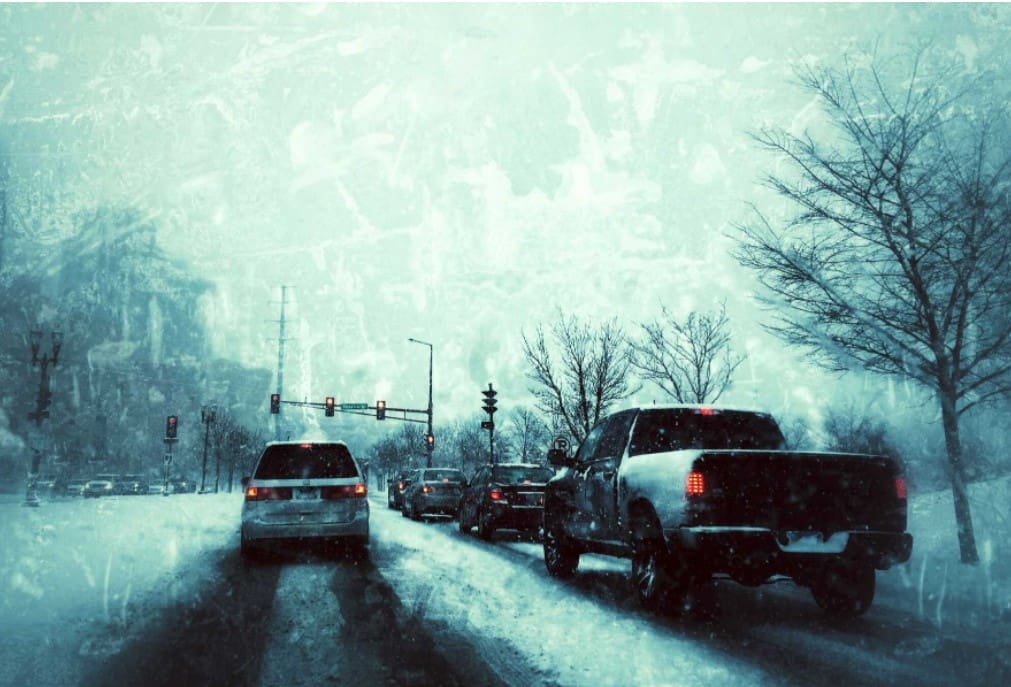
Seasonal Highway Maintenance: Conditions and Custom Truck
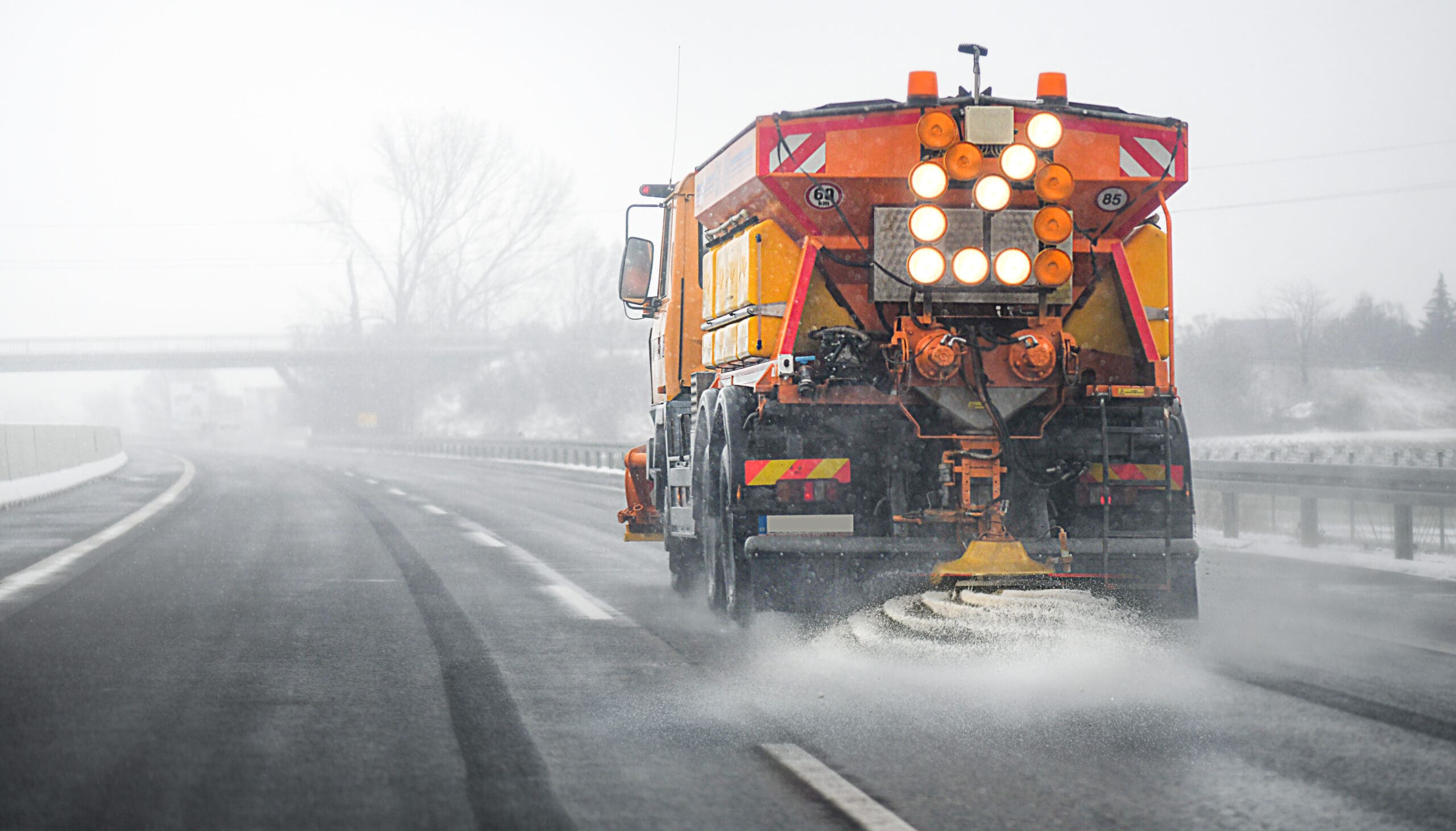
Twenty million tons of salt is spread by road crews throughout the country and is one of the principal tools that highway departments deploy to keep roads clear when the snow starts to fall. Highway maintenance workers, also known as transportation maintenance specialists, often require up to one year of on-the-job training to gain the necessary skills for their roles.
However, that is not the only way a local department of transportation or state DOT uses to improve highway conditions. These departments use various driving equipment to ensure area transportation avenues are kept open. These workers are also responsible for setting up signs and cones to divert traffic around work areas, ensuring the safety of both motorists and workers.
Asphalt grinders, chippers, and line painters are just some of the heavy equipment departments need. This can also include a vast array of equipment transportation vehicles. Certain tasks, such as operating vehicles or equipment, may require workers to coordinate their limbs while sitting.
In the following article, we’ll discuss three ways that highway departments maintain seasonal highway conditions that you might now be aware of. Preventative maintenance tasks include changing oil and applying oil to road surfaces to ensure operational efficiency.
Introduction to Seasonal Maintenance
Seasonal maintenance is a cornerstone of highway maintenance, ensuring that roads and highways remain safe and functional throughout the year. Highway maintenance workers are at the forefront of this effort, tackling a variety of tasks that are crucial for public safety. From plowing snow and repairing potholes to clearing brush from municipal and rural roads, these dedicated professionals work tirelessly to keep our roadways in top condition.
In addition to these seasonal tasks, highway maintenance workers also perform preventative maintenance on vehicles and heavy equipment. This not only extends the lifespan of the machinery but also helps prevent unexpected breakdowns that could disrupt traffic and compromise safety. By prioritizing seasonal maintenance, highway maintenance teams play a vital role in reducing the risk of accidents and ensuring that our roadways remain safe and accessible for everyone.
Who Has a Highway Department?
Every state and local government has a highway department tasked with the critical job of maintaining and repairing highways, municipal and rural roads, airport runways, and rights-of-way. These departments employ highway maintenance workers, also known as transportation maintenance specialists, who perform a wide range of tasks to ensure the safety and efficiency of our transportation systems.
These dedicated workers are responsible for repairing guard rails, operating equipment, and patching broken pavement, among other duties. Their efforts are essential in preventing accidents and reducing traffic congestion, thereby contributing to public safety and economic growth. By working in tandem, highway departments and their maintenance teams ensure that our roads remain safe and functional, which is vital for the well-being of our communities.
Who Has a Highway Department?
When discussing the jurisdiction of a highway department, it is almost easier first to define what they don’t maintain.
First of all, highway departments don’t remove ice and snow from private driveways or sidewalks. They don’t typically manage sanitation or recycling operations, both public and private. And they don’t conduct any work on utility poles, private waterways, or bridges.
You can determine what a highway department does maintain by what kind of public road you are considering. If the road is an interstate, a state highway department is responsible, same with state rural routes.
A county road is probably done by the local town or county department. Smaller still is the city, town, or village department. These local departments deal exclusively with maintaining roads in their town or city limits. Employment in highway maintenance positions requires specific qualifications and pre-employment screening processes.
Highway maintainers are responsible for tasks such as patching pavement, repairing guardrails, and operating heavy equipment.
1. Winter Highway Conditions
The most iconic vehicle of a department of transportation is the massive Peterbilt or Freightliner truck. These trucks are made to withstand the harshest winter conditions. Winter snow and ice control activities often necessitate a shift in normal work hours for highway maintenance workers.
You may see versions of these vehicles spreading salt, spraying brine, or removing snow with their 12 feet plows. Plowing snow from roadways is a critical part of maintaining safe driving conditions during winter weather.
Drifting snow can lead to road closures and traffic delays, necessitating the installation of snow fences.
Spreading sand for maintaining road surfaces and repairing shoulders is part of effective ice control strategies.
2. Maintenance of Municipal and Rural Roads
The maintenance of municipal and rural roads is a critical aspect of highway maintenance, as these roads are frequently used by local residents and commuters. Highway maintenance workers are responsible for a variety of tasks on these roads, including repairing broken or eroded pavement, clearing brush, and plowing snow. They operate equipment such as snow blowers and mowers to keep roads clear and safe for travel.
In addition to these tasks, highway maintenance workers also repair guard rails, highway markers, and snow fences. These efforts help prevent accidents and ensure public safety. By prioritizing the maintenance of municipal and rural roads, highway maintenance teams play a crucial role in reducing the risk of accidents and ensuring that local residents and commuters can travel safely and efficiently.
2. Road Maintenance
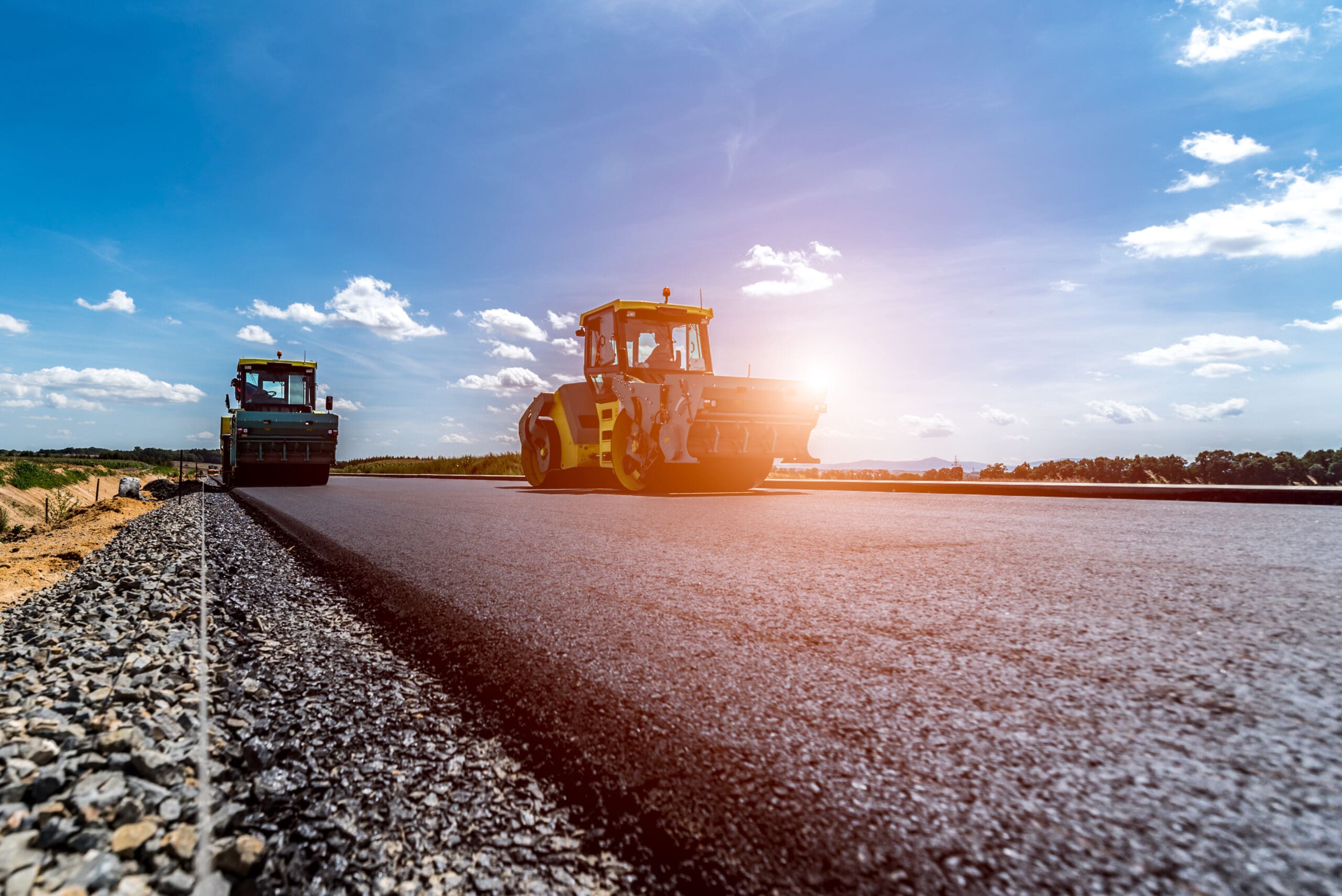
After the snow or cold weather recedes, highway departments across the country take stock of how to improve the communities’ roadways.
Erosion, floods, and heavy use are all reasons why a road may need maintenance and repair work. For much of the country, potholes and other destructive road conditions are caused by frost heaves. Patching broken pavement is a common task, involving the assessment and repair of road surfaces.
These pavement destroyers form when moisture settles under the roadway and then freezes. When it freezes, the wet spot in the road expands, forcing the road and pavement to crack and crumble. Vehicle traffic will further acerbate the frost heave. Selecting and utilizing various materials, such as anti-icing agents and brine mixtures, is important for effective snow removal.
3. Emergency and Special Projects
Lastly, one of the most critical functions of highways departments is to react to emergencies. From flooding to violent storms, highway departments are often municipalities’ first line of defense. Highway departments work hand in hand with law enforcement and utility companies to get life back to normal when massive storms hit.
Cooperation among team members is essential for completing tasks efficiently and maintaining a safe work environment.
Highway departments also handle special projects, such as road expansions and bridge repairs. These projects require meticulous planning and coordination to minimize disruption to the public. Workers must be vigilant about obstacles that may hinder maintenance work, ensuring safe navigation around work zones.
In addition to emergency response and special projects, highway departments are responsible for routine maintenance tasks like pothole repairs and snow removal. Establishing safety measures around work areas is essential for protecting both the workforce and the public.
Need a Vehicle for a Big Job?
Highway conditions change throughout the year, so don’t get caught flat-footed. Instead, prepare for the worst and ensure your highway department has the equipment it needs to be effective. Operation of heavy machinery and equipment is a key responsibility, requiring proficiency and safety awareness.
It would be best if you didn’t hesitate to call a heavy equipment expert to find the right vehicle for your needs. Operating various types of heavy machinery and equipment is a key responsibility for highway maintenance workers.
Contact us today if you are ready to buy or rent a vehicle for your town or business. Accurate adjustment of controls is crucial for the proper functioning of vehicles and equipment.

Ready to keep your fleet moving?
Talk to a Custom Truck One Source specialist about equipment, parts, and service options built around your fleet.
Request a QuoteOr call (844) 822-5581