


9 Ways to Improve Rail Efficiency
The rail industry relies on efficiency and reliability. Inefficient strategies can result in missed deliveries, prolonged project timelines, revenue losses and poor customer experiences. Fortunately, many emerging strategies and technologies empower businesses to increase efficiency, improve functionality and maintain competitiveness. Check out these strategies to improve rail efficiency.
1. Implement Predictive Maintenance
The rail industry requires comprehensive maintenance of infrastructure, rolling stock and tracks. Routine inspections and preventive care are critical for sustaining integrity and maintaining efficiency. Predictive maintenance can further improve your rail efficiency.
Predictive maintenance is a data-driven and proactive strategy for determining when components need repairs or replacements. This approach leverages machine learning to forecast problems or breakdowns. Engineers can refer to historical information to craft predictive maintenance models and avoid disruptions. This strategy optimizes servicing and repairs, preventing malfunctions and ensuring components operate with top-notch efficiency and reliability.
2. Optimize Design and Development
Shorter manufacturing and development cycles can drive efficiency. New techniques and materials allow teams to complete projects faster, reduce costs, embrace sustainability and improve overall performance. Some optimization strategies include:
- Simulation and modeling: Advanced techniques enable engineers to optimize rail system performance with minimal material waste. These techniques enable teams to identify pain points and inefficiencies without incurring project rework. Engineers can simulate train movements, passenger flows and energy consumption to identify bottlenecks and improve efficiency.
- Modular designs and standardization: Modular design principles and standardized components can accelerate development. Rather than leveraging custom solutions, teams can leverage proven designs and standard components to streamline manufacturing while ensuring reliability.
- New materials and manufacturing techniques: Exploring innovative materials and manufacturing processes can improve efficiency by reducing energy consumption and lowering maintenance costs. For example, advanced alloys, such as lithium aluminum and stainless steel, can withstand dynamic loads and corrosion, reducing maintenance needs while optimizing lifespans.
3. Upgrade Your Hi-Rail Fleet
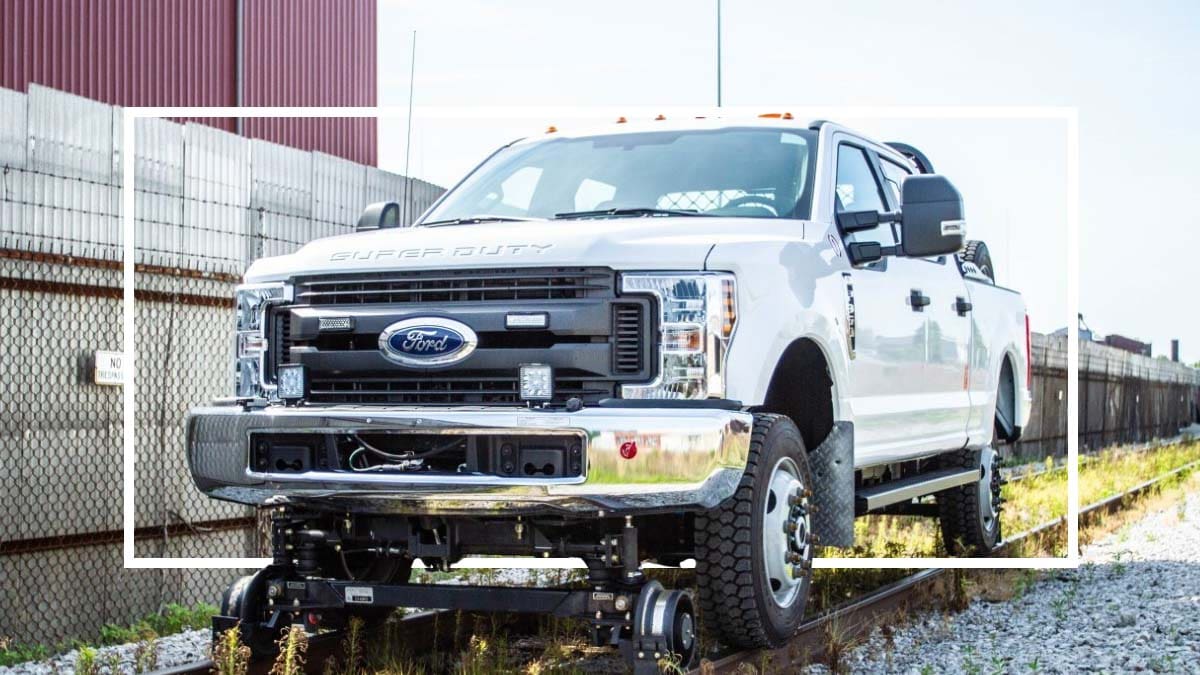
As a railroad professional, you understand the importance of keeping railroads in top-notch condition. One way to accomplish this is by upgrading your fleet with hi-rail trucks. You can upgrade your fleet with several types of hi-rail trucks, including:
- Hi-rail pickups for track geometry and simple transportation.
- Hi-rail inspection vehicles to address track deviations, misalignments or mud spots.
- Material handler hi-rail trucks to handle miscellaneous track components.
- Welding vehicles and rotary dumps for assisting welding crews and depositing large loads.
4. Boost Railways Engineering Capabilities
Many teams want to shorten working cycles while minimizing delays and costs. Prioritizing training and promoting research encourages teams to develop new strategies and technologies to improve performance. Ways to boost engineering capabilities include:
- Employing machine learning: Technologies like machine learning and data analytics enable teams to analyze vast datasets to predict failures, identify patterns, and optimize maintenance schedules.
- Implementing standardized practices: Standardizing processes and procedures can reduce errors, improve efficiency, and facilitate collaboration across the industry.
- Increasing capacity and throughput: Skilled engineers can develop and implement traffic management strategies to reduce congestion and optimize movements. Modern signaling and control systems can increase capacity and throughput, thereby enhancing efficiency.
5. Embrace Automation
Manual processes can significantly hinder rail efficiency. Traditional processes rely heavily on human intervention and are susceptible to errors and delays. Teams with a lean workforce can face additional obstacles and lengthier project timelines. One of the best rail efficiency tips to address this concern is to embrace automation. There are several noteworthy automated rail solutions, including:
- Yard management tools: Teams can optimize yard management operations by automating railcar activities. For example, you can create a digital twin of your rail yard to enable real-time tracking. This solution can provide insights into railcar cleaning, inspection, arrival, departure, billing out, loading and repairs to increase visibility and efficiency.
- Logistics management platforms: Additional management solutions can simplify logistics complexities. Logistics management platforms leverage automated tools to track shipments, process freight details, provide accurate reporting and more. These tools work in tandem to create seamless operational flows and promote data-driven decision-making, thereby increasing efficiency.
- Rail rate analysis: You can also leverage rail rate analysis solutions to automate shipping rate monitoring. These tools drive informed decision-making regarding financial planning, budgeting and competitive pricing. You can access comprehensive rail rate overviews and guide negotiations while reducing administrative costs and optimizing routing and mode selection.
6. Use Rail Inventory Management Systems
Your inventory processes directly impact efficiency. Without a standardized inventory management system, railroad workers may lack the insight necessary to perform their jobs quickly and accurately. Furthermore, poor inventory management could result in Federal Railroad Administration compliance reporting violations.
Inventory management systems can improve rail efficiency by:
- Optimizing inventory levels: Leveraging historical data and demand patterns empowers you to reduce the risk of stockouts or excess inventory.
- Granting real-time visibility: Teams can track all rail assets in real time. Better tracking of equipment, rolling stock, and spare parts reduces losses and theft risks.
- Automating procurement: Inventory management systems can automatically place orders when inventory falls below defined thresholds. This strategy reduces administrative labor while minimizing the likelihood of stockouts.
- Enhancing reporting: These solutions offer advanced reporting and analytical capabilities that let you track maintenance costs, inventory turnover, stockout rates, and more to optimize inventory management practices.
7. Reduce Carbon Dioxide Emissions
Experts claim railways are the most fuel-efficient way to move land freight. However, there are new ways to improve energy efficiency, which can reduce fuel costs, enhance public image, and support long-term sustainability. Strategies to reduce emissions include:
- Switching to renewable energy sources: Electrifying rail lines and powering railcars with electricity can significantly reduce emissions.
- Modernizing infrastructure: Digital tracking and simulation technologies allow engineers to optimize processes and reduce energy losses.
- Optimizing schedules: Optimizing train routes and schedules increases overall efficiency while minimizing energy use.
8. Manage Logistics With the Cloud
Managing shipping requires significant collaboration and documentation. For example, you likely rely on several carriers, transload facilities and rail terminals throughout your shipping process. Rather than relying on manual processes to coordinate arrival times and routes, consider implementing a cloud-based solution.
Cloud-based shipping solutions enhance visibility and enable quick information sharing. You can consolidate information and share relevant details with various partners to increase efficiency while reducing staffing needs. Some cloud-based solutions also offer management features to streamline your logistics while keeping partners up to date.
9. Review Strategies Regularly
Regardless of the specific strategies you implement, continuous monitoring is critical for understanding how changes impact your organization and for identifying new opportunities. Market trends and technology can change rapidly, and you must develop a change management strategy to ensure ongoing efficiency.
Along with ensuring you maintain modern, optimized processes, consistent review and ongoing improvement can support compliance initiatives and boost brand reputation. Always define specific success metrics and develop a regular schedule, at least annually, to evaluate strategy effectiveness.
Discover How to Improve Rail Efficiency With Custom Truck One Source
Custom Truck One Source aims to be the specialty truck industrial icon in North America. As a leading supplier of custom equipment and trucks to critical industries, including rail, utility and infrastructure, Custom Truck One Source has what you need to improve efficiency. Browse our hi-rail trucks and equipment or connect with our team to learn how we can enhance your business.

Ready to keep your fleet moving?
Talk to a Custom Truck One Source specialist about equipment, parts, and service options built around your fleet.
Request a QuoteOr call (844) 822-5581